
Welcome to Shropshire Hand Surgery
Providing Specialist Treatment for Hand and Wrist Conditions in Shropshire and the Surrounding Area
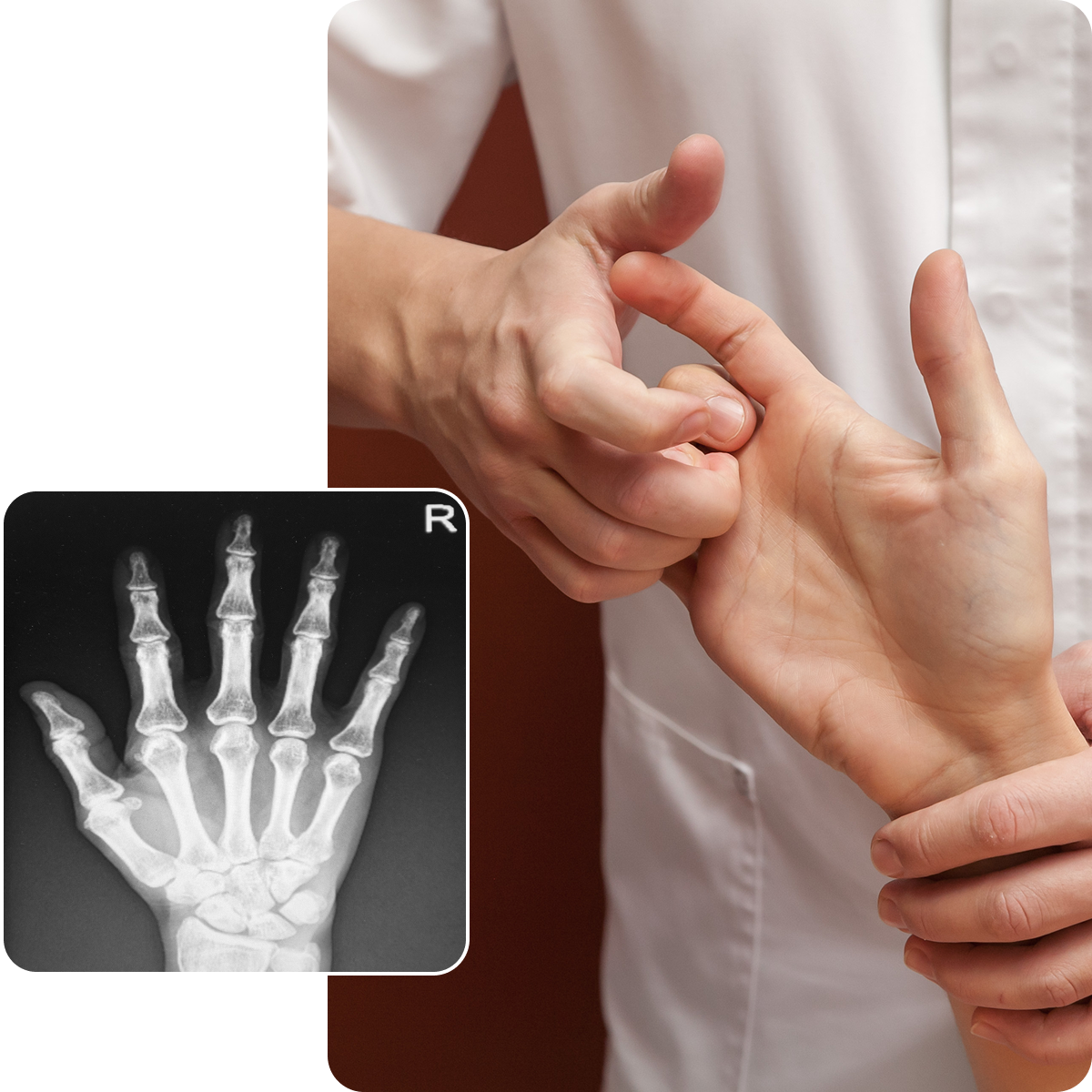
What is Wrong With My Hand?
A wide variety of conditions can affect the hand and wrist causing pain, deformity, numbness and loss of function. If you are concerned it is always best to have this assessed professionally as it is not always straightforward to make a diagnosis. Information about some of the more common conditions and treatments can be found in the menus above.
This page is under constant development - if there is something specific you would like added, drop us a line.
Will I Have to Have Surgery?
Many conditions can be treated without surgery, but if an operation is recommended knowing what to expect can help reduce your anxiety.
What Happens After?
The right rehabilitation programme is an essential part of getting the best result from your treatment. This can vary from a simple home exercise routine to more complex schedules under the close supervision of a specialist hand therapist.
It is important not to under or overdo your rehabilitation and a tailored programme will be prescribed for you.
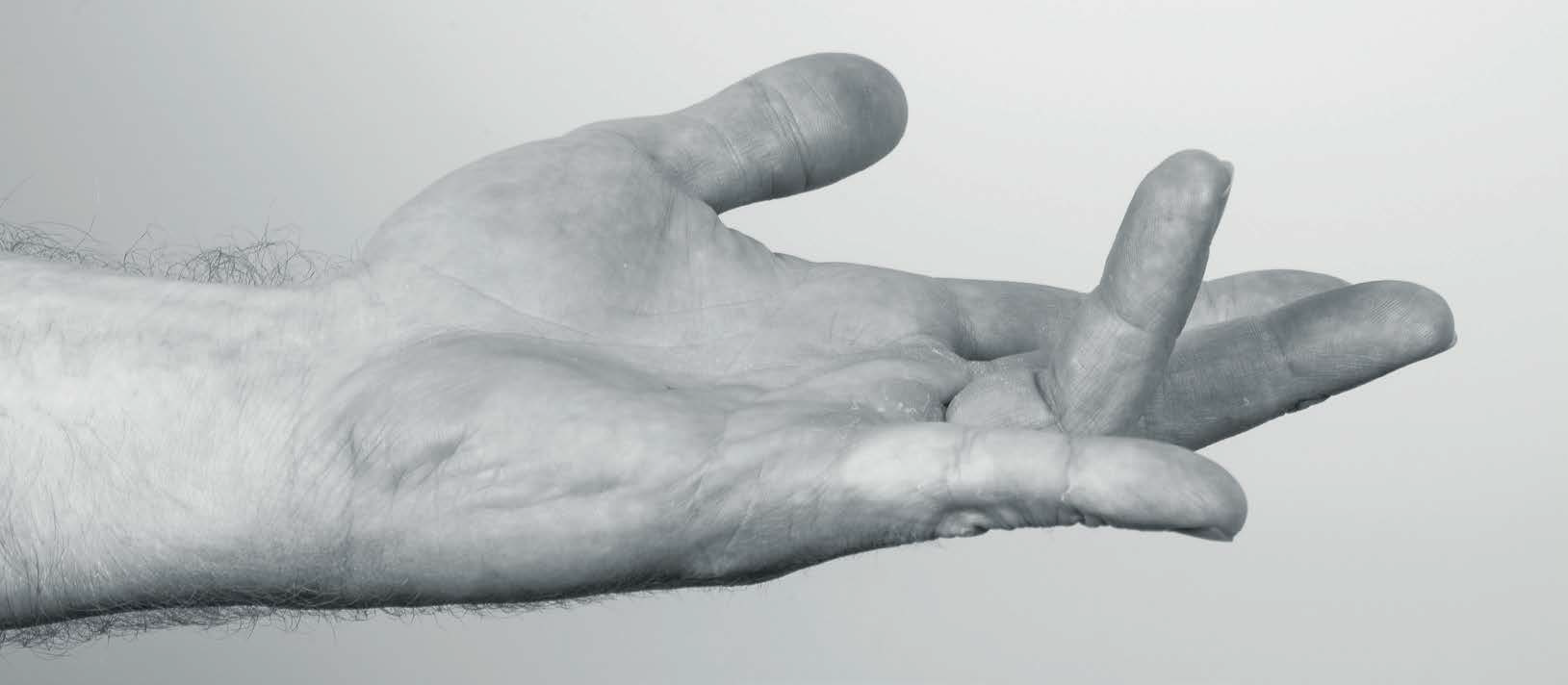
Dupuytren's Disease
Dupuytrens Contracture
Dupuytrens contracture is a common condition that usually arises in middle age or later. It is more common in men than women.
Firm nodules appear just beneath the skin of the palm of the hand. They can form cords that prevent your finger from straightening completely. The contracture tends to get worse with time.
It can be associated with small pits in the skin, nodules over the back of the finger knuckles (Garrrods Pads) or lumps on the soles of your feet.
The cause is unknown but often runs in families. It can be associated with diabetes, smoking, high alcohol consumption and epileptic medication.
It is not possible to cure this condition and even after treatment you can get a recurrence in the same finger, in other fingers or the other hand. Surgery is considered when the fingers are very bent or are continuing to bend and day-to-day activities become difficult.